Impact
When other scientists build on your work, they cite it. My research has now been cited 1,494 times by teams around the world, and I have co-written papers with around 95 researchers in 20 countries, in universities and in industry.
1,494
total citations
21
h-index
35
i10-index
95
co-authors
20
countries
Figures from Google Scholar, 5 November 2026.
Citations, year by year
Citations have grown every year since my first papers appeared. The jump from 37 citations in 2022 to 206 in 2023 came as my lung cancer and medical-device security research began to be widely used. 2025 was the strongest year yet, with 498 citations.
| Year | Citations |
|---|---|
| 2020 | 5 |
| 2021 | 18 |
| 2022 | 37 |
| 2023 | 206 |
| 2024 | 286 |
| 2025 | 498 |
| 2026 | 429 |
What the numbers mean
- Citation: another published paper that uses or builds on mine.
- h-index 21: 21 of my papers have each been cited at least 21 times. It rewards a body of work rather than one hit paper.
- i10-index 35: 35 papers have been cited 10 times or more.
Most-cited research
| Research | Where | Citations |
|---|---|---|
| LungNet: AI that diagnoses lung cancer from CT scans and wearable sensors | Computers in Biology and Medicine, 2021 | 217 |
| Edge–cloud AI that predicts machine failures | Sensors, 2024 | 140 |
| Deep-IDS: a real-time intruder detector for IoT devices | IEEE Access, 2024 | 127 |
| SafetyMed: protecting connected medical devices from hackers | Electronics, 2023 | 126 |
| How AI is changing cybersecurity: a review | IEEE Access, 2025 | 89 |
Global collaboration
One network, 20 countries
Good research rarely happens alone. Starting from Bangladesh, I built a network of co-authors that now spans 20 countries. Each partnership brings something different: clinical questions, rare datasets, industrial problems or specialist methods.
Australia
Queensland University of Technology, The University of Queensland, Charles Sturt University, Torrens University, Edith Cowan University, Deakin University
United Kingdom
University of Cambridge, Coventry University, Liverpool John Moores University
United States
Engineers at Google, Amazon, Meta, Zoom, Calix, ServiceNow, Workday, Qualcomm and Deloitte; University of Dubuque; University of Southern California
Saudi Arabia
King Saud University, King Abdulaziz University, King Khalid University, Imam Mohammad Ibn Saud Islamic University, Prince Sultan University, Princess Nourah bint Abdulrahman University
Jordan
Al-Balqa Applied University
South Korea
Woosong University, Yeungnam University, Seoul National University
Bangladesh
Daffodil International University, Jahangirnagar University, Bangladesh University of Professionals, Comilla University and others
And more
India, Malaysia, Romania, Sweden, Japan, Qatar, the UAE, Oman, China and Pakistan
Industry and academia
Where university research meets real products
Some of my most-cited papers were written with engineers who build systems used by millions of people. University researchers bring rigour and new methods. Industry engineers bring real problems, real data and a sense of what can actually be deployed. Together, the work is more likely to leave the lab.
| Co-author | Role (at time of collaboration) | Joint papers |
|---|---|---|
| Kaushik Sathupadi | Staff Engineer and Tech Lead Manager, Google | 2 |
| Shinoy Vengaramkode Bhaskaran | Senior Big Data Engineering Manager, Zoom | 2 |
| Sandesh Achar | AVP, Cloud Platform Engineering, Calix | 5 |
| Sandeepkumar Racherla | Senior Data Scientist, Amazon | 2 |
| Priyabrata Thatoi | Data Scientist II, Amazon | 1 |
Academic partners include Professor Pietro Liò (University of Cambridge), Dr Mohammad Ali Moni (The University of Queensland and Charles Sturt University), Professor Alistair Barros (QUT), Dr Md Whaiduzzaman (Torrens University), Professor Moutaz Alazab and Professor Albara Awajan (Al-Balqa Applied University) and Professor Jia Uddin (Woosong University).
Beyond the lab
MediCop: AI for patients in Bangladesh
Not all impact shows up as citations. In Bangladesh, many patients are sent for more medical tests than they need, and families pay the price. I built MediCop, a free AI app where patients describe their symptoms or photograph a prescription and get a plain-language explanation of which tests are likely necessary, so they can talk to their doctor with confidence. It supports doctors rather than replacing them.
The project was featured in The Country Today on 21 December 2025: “When Healing Turns into Billing: Nuruzzaman Faruqui’s AI App is Fighting Back for Bangladesh’s Patients”.
Research support
Funding behind the work
Between 2023 and 2025, nine institutional grants supported the publication of papers I co-authored, totalling more than US$22,500. They were awarded through my co-authors’ institutions, which shows how international partnerships open doors to support.
- Australian Research Council Discovery Project (DP190100314)
- Researchers Supporting Project, King Saud University (RSPD2024R951)
- Princess Nourah bint Abdulrahman University Researchers Support (PNURSP2024R473)
- King Salman Center for Disability Research (KSRG-2023-456)
- Deanship of Scientific Research, King Khalid University (RGP2/267/45)
- Deanship of Scientific Research, Imam Mohammad Ibn Saud Islamic University (IMSIU-RP23004)
- Qatar National Library
- Woosong University Academic Research 2025
- WUST Research Center, Washington University of Science and Technology
Recognition
Awards and scholarships
- Most Innovative Poster, Monash Data Science Summit (2026)
- Research Training Program (RTP) Stipend and Monash International Tuition Scholarship (2026)
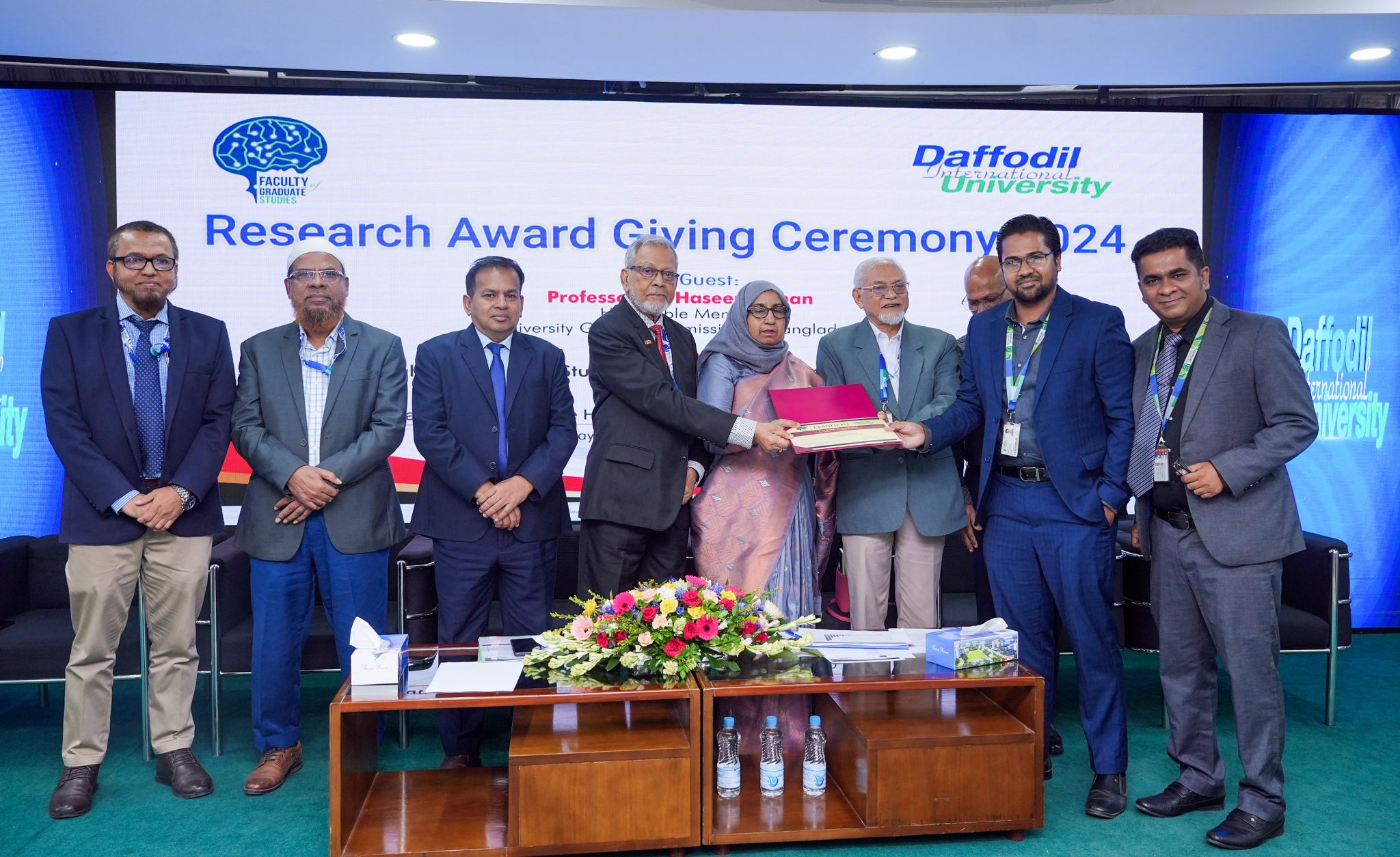
- Best Researcher Award, Daffodil International University (2024)
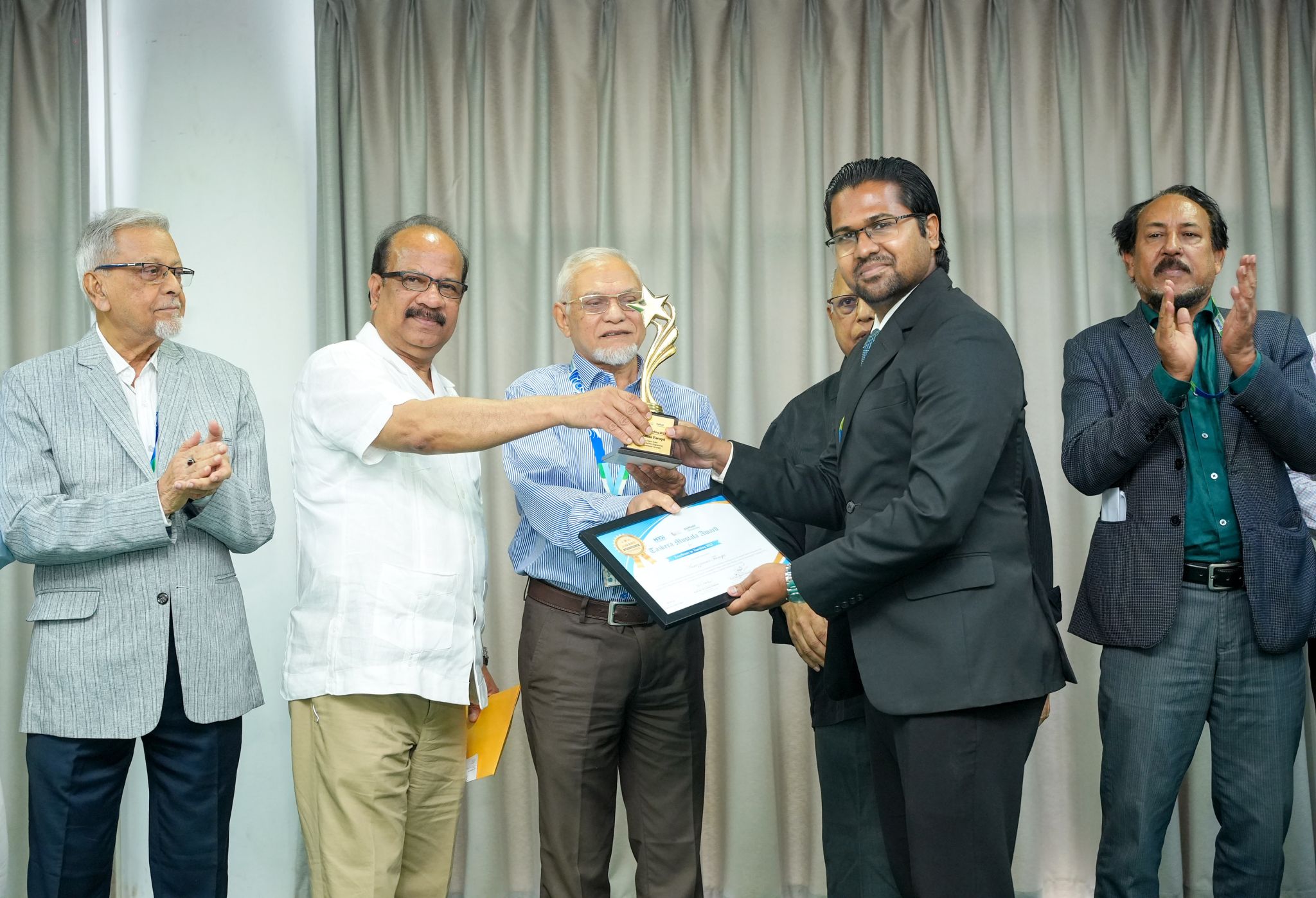
- Excellence in Teaching Award, Daffodil International University (2023 and 2024)
- Best Paper Award, International Joint Conference on Computational Intelligence (IJCCI 2019), for an automatic missing-child recovery system
Want to collaborate?
I am open to research partnerships, industry projects, talks and media interviews.